


Here is a Google map of the places we visited. You can zoom in and out with the +/-.
Click on each colored marker for more information. Turn off the overlay with the check mark.
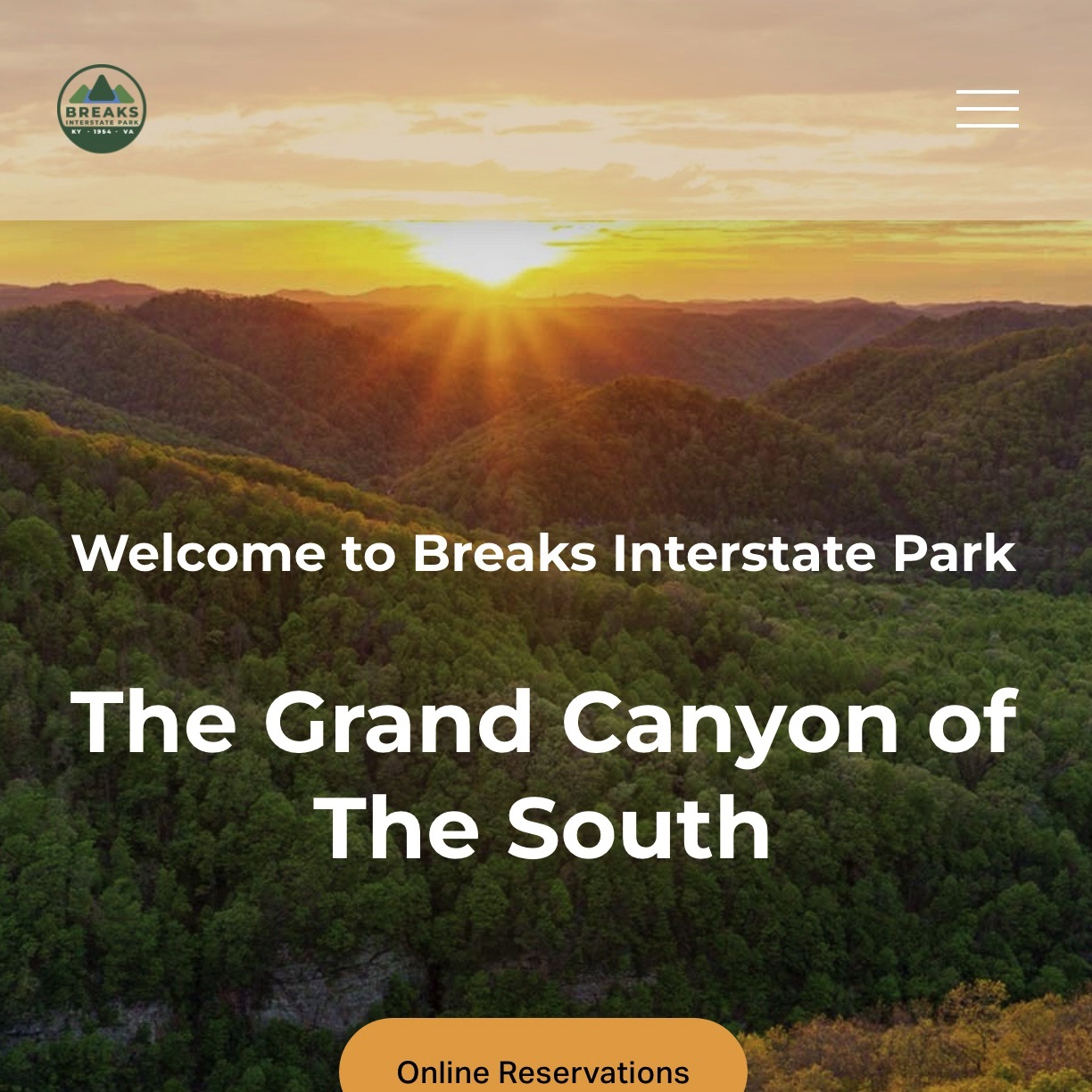
This is a 360 view of Breaks Interstate Park. Take a look around!
This is a 360 view of the Brothers Once More Memorial. Take a look around!
This is an old Flash activity about the products and industries of Virginia. We got it to work using Ruffle!




Social Studies
1.7 (2015) The student will explain the difference between goods and services and describe how people are consumers and producers of goods and services.
1.8 (2023) The student will apply history and social science skills to explain how individuals make economic choices to meet their basic needs by
a. identifying the difference between goods and services;
b. describing how people can be both consumers and producers;
d. describing goods and services produced in Virginia;
2.8 (2015) The student will describe natural resources (water, soil, wood, and coal), human resources (people at work), and capital resources (machines, tools, and buildings).
2.13 (2023) The student will apply history and social science skills to understand basic economic principles by
a. identifying natural resources (water, soil, wood, and coal), human resources (people at work), and capital resources i.e. manmade things used in production (machines, tools, computers, and buildings);
3.8 (2015) The student will demonstrate an understanding of different cultures and the natural, human, and capital resources they used in the production of goods and services.
3.10 (2023) The student will apply history and social science skills to explain the basic economic principles of
a. defining production, distribution, and consumption of goods and services;
b. understanding of different cultures and the natural, human, and capital resources they used in the production of goods and services;
VS.2 (2015) The student will demonstrate an understanding of the relationship between physical geography and the lives of the native peoples, past and present, of Virginia by
b) locating and describing Virginia’s Coastal Plain (Tidewater), Piedmont, Blue Ridge Mountains, Valley and Ridge, and Appalachian Plateau;
VS.8 (2015) The student will demonstrate an understanding of the reconstruction of Virginia following the Civil War by
c) describing the importance of railroads, new industries, and the growth of cities to Virginia’s economic development.
VS.1 (2023) The student will apply history and social science skills to explain the relationship between physical geography and the lives of Virginia’s peoples, past and present by
b. locating and describing the relative location and physical characteristics of Virginia's five geographic regions on a map; and
VS.9 (2023) The student will apply history and social science skills to understand the ways in which Virginia became interconnected and diverse by
a. explaining the importance of railroads, waterways, new industries, and the growth of cities to Virginia’s economic development in the late 1800s;
Science
4.8 The student will investigate and understand that Virginia has important natural resources. Key resources include
a) watersheds and water;
b) plants and animals;
c) minerals, rocks, and ores; and
d) forests, soil, and land.
5.8 The student will investigate and understand that Earth constantly changes. Key ideas include
a) Earth’s internal energy causes movement of material within the Earth;
b) plate tectonics describe movement of the crust;
c) the rock cycle models the transformation of rocks;
d) processes such as weathering, erosion, and deposition change the surface of the Earth; and
e) fossils and geologic patterns provide evidence of Earth’s change.
5.9 The student will investigate and understand that the conservation of energy resources is important. Key ideas include
a) some sources of energy are considered renewable and others are not;
b) individuals and communities have means of conserving both energy and matter; and
c) advances in technology improve the ability to transfer and transform energy.