

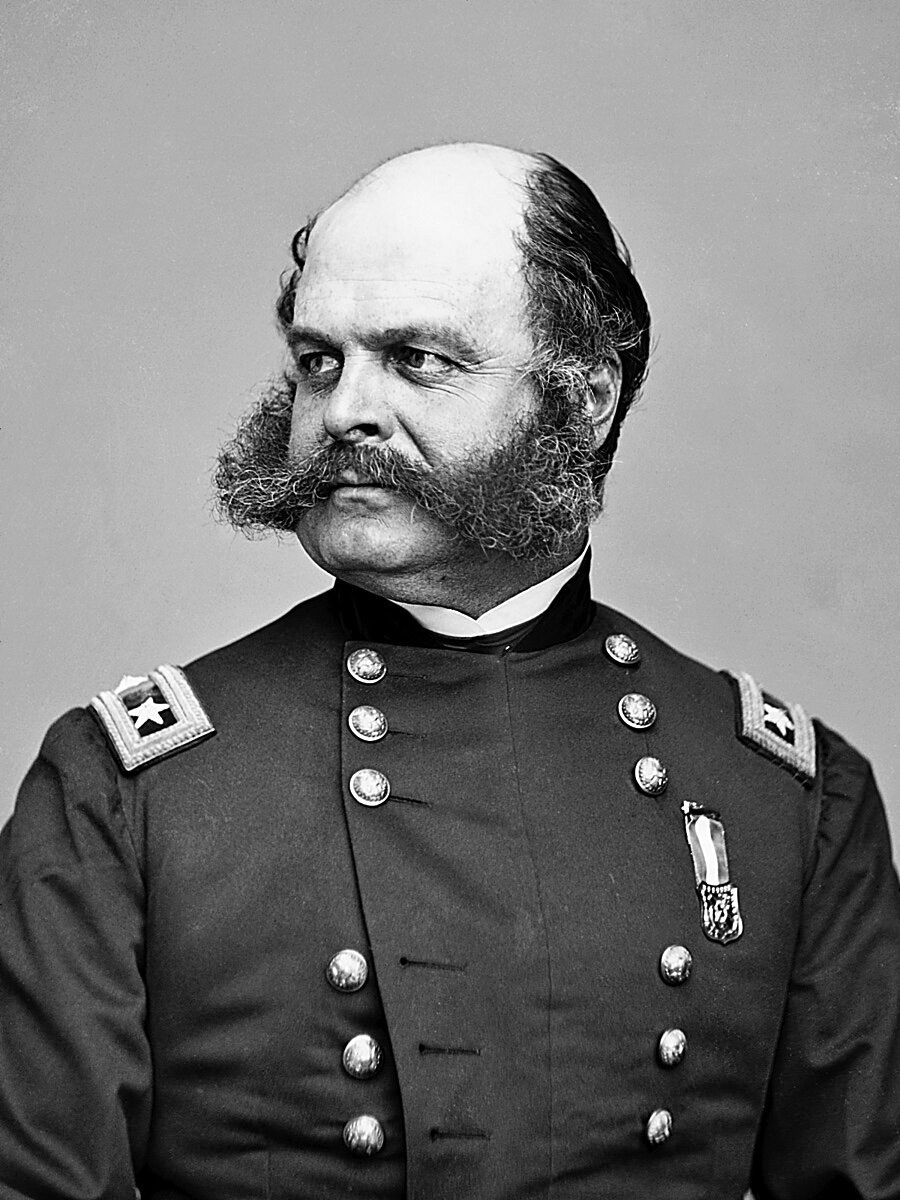
This is a Google map of some of the Civil War battles that took place around Fredericksburg.
Use the +/- button to zoom in or out, and click the colored markers for more information.
Here is a 360 view of the Frederickburg battlefield. Take a look around!
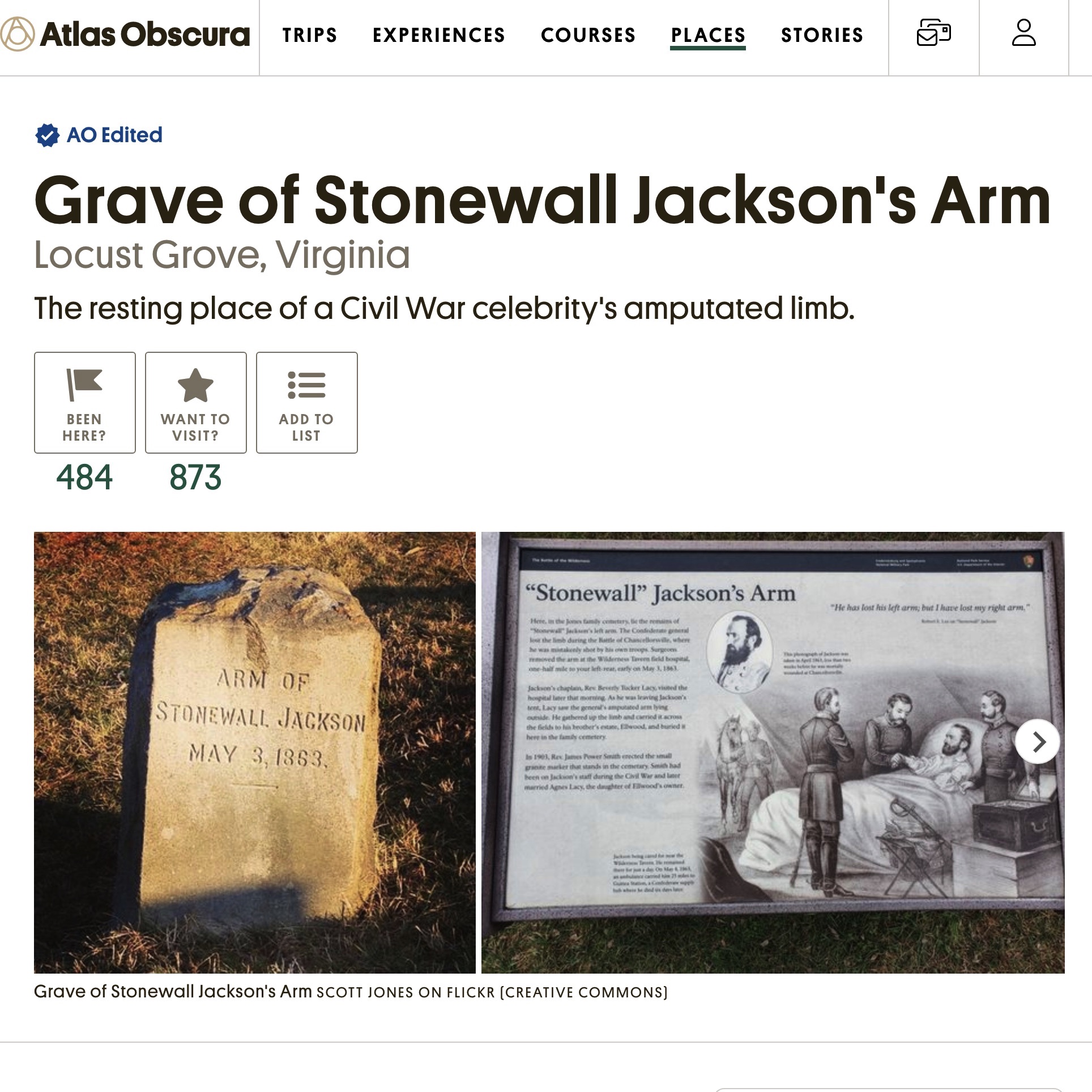
Here is a 360 view of the grave for Gen. Stonewall Jackson's arm. Take a look around!
This is an old Flash activity about Generals Grant (Union) and Lee (Confederate). We got it to work using Ruffle!

Social Studies
VS.2 (2015) The student will demonstrate an understanding of the relationship between physical geography and the lives of the native peoples, past and present, of Virginia by
b) locating and describing Virginia’s Coastal Plain (Tidewater), Piedmont, Blue Ridge Mountains, Valley and Ridge, and Appalachian Plateau;
c) locating and identifying water features important to the early history of Virginia (Atlantic Ocean, Chesapeake Bay, James River, York River, Potomac River, Rappahannock River, and Lake Drummond and the Dismal Swamp);
VS.7 (2015) The student will demonstrate an understanding of the issues that divided our nation and led to the Civil War by
b) describing Virginia’s role in the war, including identifying major battles that took place in Virginia;
VS.1 (2023) The student will apply history and social science skills to explain the relationship between physical geography and the lives of Virginia’s peoples, past and present by
b. locating and describing the relative location and physical characteristics of Virginia's five geographic regions on a map; and
c. locating, identifying, and describing the impact of Virginia’s bodies of water on its history, economy, and culture.
VS.7 (2023) The students will apply history and social science skills to understand the key people, events and issues of the Civil War and Virginia’s role by
e. identifying major battles that took place in Virginia;
f. identifying and explaining the leadership roles of Virginians, including but not limited to Thomas J. “Stonewall” Jackson, Robert E. Lee, William Harvey Carney, Winfield Scott, and Powhatan Beaty;