

Here is a Google map of the McCormick Farm. Use the +/- buttons in the bottom right to zoom in or out.
This is a 360 view of the McCormick Farm. Click and drag to take a look around.
This is an old Flash activity about how a gristmill grinds grain using water power. We got it to work using Ruffle!




Social Studies
2.2 (2015) The student will demonstrate knowledge of the United States by describing important developments and innovations in United States history, including developments and innovations related to communication and transportation.
2.8 (2015) The student will describe natural resources (water, soil, wood, and coal), human resources (people at work), and capital resources (machines, tools, and buildings).
2.13 (2023) The student will apply history and social science skills to understand basic economic principles by
a. identifying natural resources (water, soil, wood, and coal), human resources (people at work), and capital resources i.e. manmade things used in production (machines, tools, computers, and buildings);
VS.2 (2015) The student will demonstrate an understanding of the relationship between physical geography and the lives of the native peoples, past and present, of Virginia by
b) locating and describing Virginia’s Coastal Plain (Tidewater), Piedmont, Blue Ridge Mountains, Valley and Ridge, and Appalachian Plateau;
VS.1 (2023) The student will apply history and social science skills to explain the relationship between physical geography and the lives of Virginia’s peoples, past and present by
b. locating and describing the relative location and physical characteristics of Virginia's five geographic regions on a map; and
USI.8 (2023) The student will apply history and social science skills to explain westward expansion and reform in America from 1801 to 1861 by
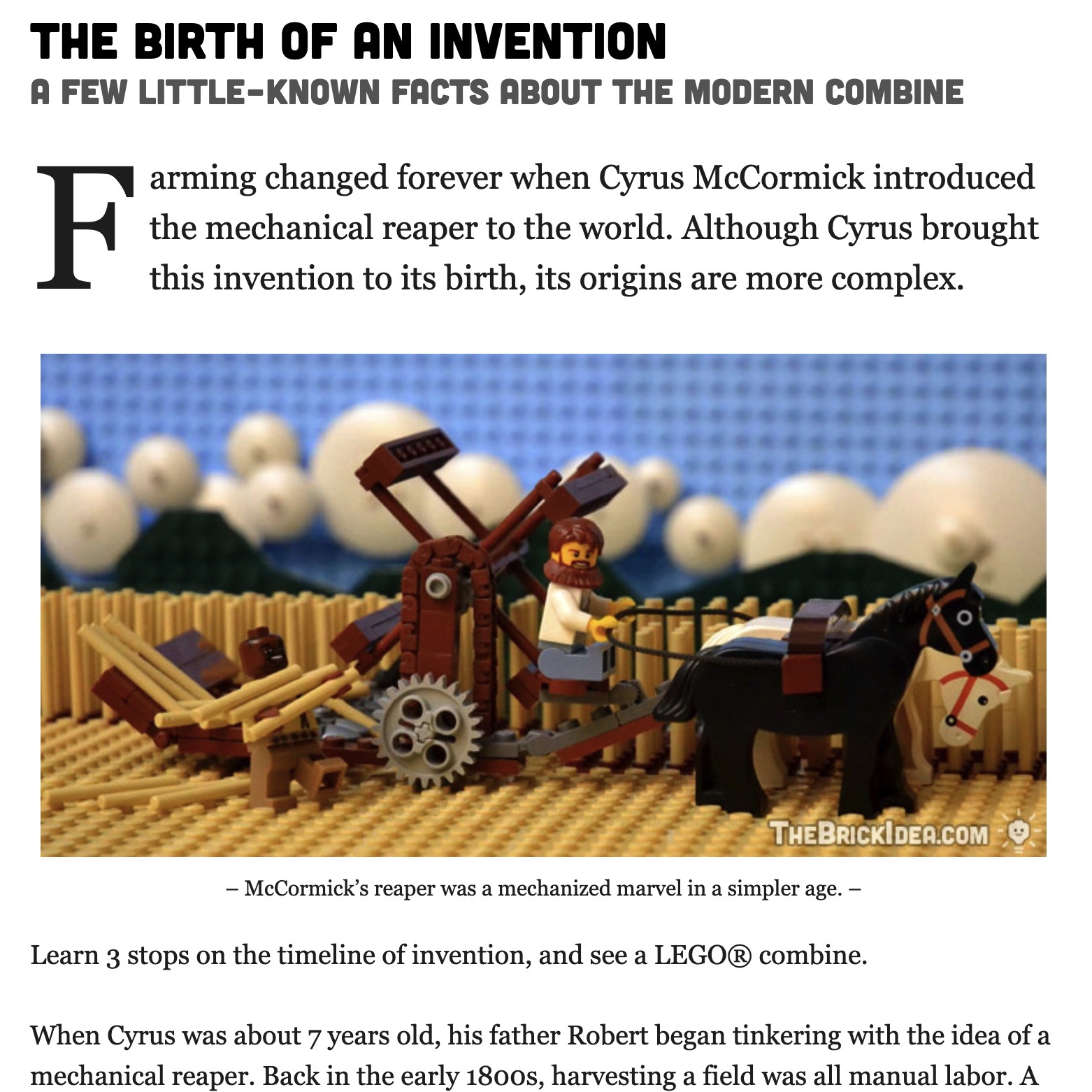
e. explaining technological advancements and innovations on changing life in America, including but not limited to the cotton gin, the reaper, the steam engine, and steam locomotive; 1800s;
Science
1.2 (2018) The student will investigate and understand that objects can move in different ways. Key ideas include
a) objects may have straight, circular, spinning, and back-and-forth motions; and
b) objects may vibrate and produce sound.
3.2 (2018) The student will investigate and understand that the direction and size of force affects the motion of an object. Key ideas include
a) multiple forces may act on an object;
b) the net force on an object determines how an object moves;
c) simple machines increase or change the direction of a force; and
d) simple and compound machines have many applications.
4.8 (2018) The student will investigate and understand that Virginia has important natural resources. Key resources include
a) watersheds and water;
b) plants and animals;
c) minerals, rocks, and ores; and
d) forests, soil, and land.
5.9 (2018) The student will investigate and understand that the conservation of energy resources is important. Key ideas include
a) some sources of energy are considered renewable and others are not;
b) individuals and communities have means of conserving both energy and matter; and
c) advances in technology improve the ability to transfer and transform energy.